
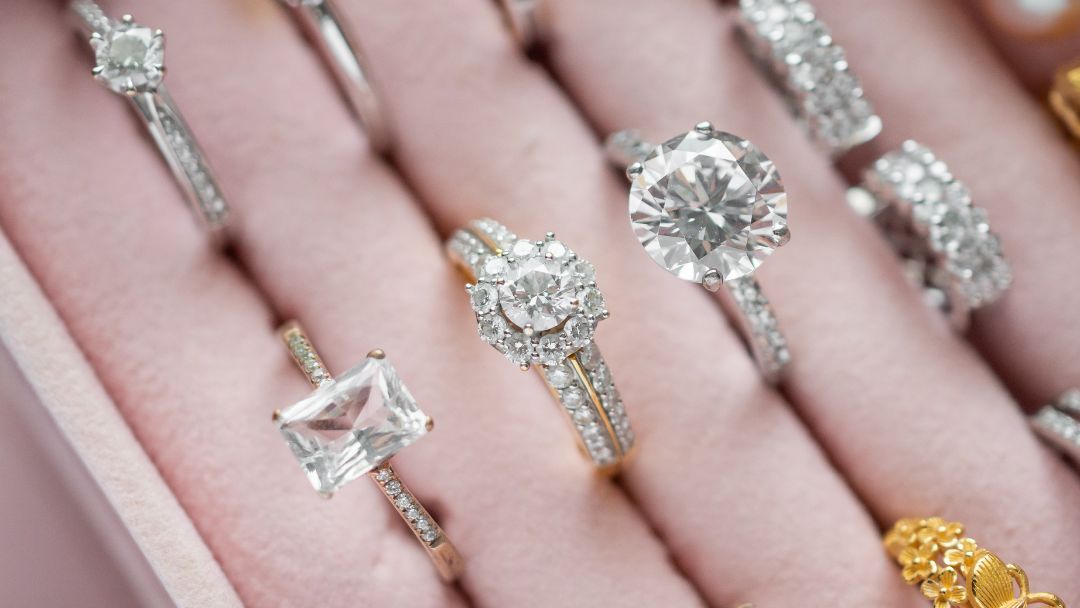
If you’re shopping for an engagement ring, designing something unique, or even upgrading your favorite piece of fine jewelry, you’ve probably heard the debate around lab grown vs natural diamonds. Here at Roper’s Jewelers in Auburn, CA, many customers want to understand the differences in quality, price, sustainability, and long-term value before making a decision. So we’ve put together a handy guide.
The truth is that both options can be beautiful, durable, and meaningful. If you are exploring ethical diamonds, looking for a custom engagement ring, or comparing styles at trusted Auburn jewelry stores, make sure you understand the facts so you can choose the diamond that best fits your lifestyle and values.
Are Lab-Grown Diamonds Real?
Yes! According to the Federal Trade Commission (FTC) and the Gemological Institute of America (GIA), lab grown diamonds are real diamonds. They have the same chemical, physical, and optical properties as mined diamonds.
The key difference is origin:
Natural diamonds form underground over billions of years under intense heat and pressure.
Lab grown diamonds are created in controlled laboratory environments using advanced technology that replicates those natural conditions.
Because they share the same crystal structure, hardness, brilliance, and fire, even professional jewelers often need specialized equipment to distinguish lab grown vs real diamonds.
Lab Grown vs Natural Diamonds – Quality Comparison
When comparing lab grown vs natural diamonds, quality is evaluated using the same standards, the four C’s: cut, color, clarity, and carat weight.
Both natural and lab-created stones can receive grading reports from respected laboratories like GIA. In terms of sparkle and durability, there is virtually no visible difference to the naked eye.
Here’s a simple diamond comparison:
| Feature | Lab-Grown Diamonds | Natural Diamonds |
| Composition | Pure carbon crystal | Pure carbon crystal |
| Hardness | 10 on Mohs scale | 10 on Mohs scale |
| Appearance | Virtually identical | Virtually identical |
| Formation Time | Weeks to months | Billions of years |
| Rarity | Manufactured | Naturally rare |
| Price | Typically lower | Typically higher |
| Resale Value | Generally lower | Often stronger |
For buyers who are focused on maximizing size and quality within a budget, lab grown diamonds can offer significant value. For instance, a larger lab-created diamond may cost substantially less than a comparable mined stone.
Environmental Impact and Ethical Considerations
Many shoppers researching ethical diamonds are concerned about mining practices, environmental responsibility, and supply-chain transparency so it’s important to learn about these things and make a decision on where you stand.
Natural Diamonds
Modern natural diamond suppliers increasingly follow ethical sourcing standards, including the Kimberley Process and responsible mining initiatives. Many mines also support local communities and economic development.
However, mining can involve significant land use, water consumption, and ecosystem disruption depending on the region and practices used.
Lab-Grown Diamonds
Lab-grown diamonds avoid traditional mining, which appeals to buyers seeking a lower-impact alternative. They also provide strong sourcing traceability because the origin is fully documented.
That said, lab-grown production still requires substantial energy. Environmental impact varies widely depending on the energy source used by the manufacturer. Some facilities use renewable energy, while others rely on fossil fuels.
The most important takeaway? Sustainability claims should always be transparent and verifiable. Reputable jewelers clearly disclose whether a diamond is mined or laboratory-created in accordance with FTC guidelines.
Cost Differences: Why Lab-Grown Diamonds Are Less Expensive
One of the biggest reasons buyers compare lab grown vs natural diamonds is price.
Lab-grown diamonds generally cost 30–80% less than natural diamonds of similar quality. Because they can be produced more efficiently and are not geologically rare, the supply of them is more predictable.
Natural diamonds typically command higher prices because of their rarity, age, and long-established market value. Some buyers also appreciate the emotional and symbolic appeal of owning a stone formed naturally over billions of years.
Which Diamond Is Right for You?
There’s no single “best” choice in the lab grown vs natural diamonds discussion. The right diamond depends on your priorities.
A lab-grown diamond may be ideal if you:
- Want a larger stone at a lower price
- Prioritize sourcing transparency
- Prefer modern technology and innovation
- Are focused on certain sustainability goals
A natural diamond may be right if you:
- Value rarity and geological history
- Want stronger long-term resale potential
- Prefer traditionally mined stones
- Appreciate the uniqueness of natural formation
At Roper’s Jewelers, we believe informed customers make confident decisions. When you decide you’re ready to go shopping for engagement rings, heirloom-quality fine jewelry, or Auburn custom jewelry, our team is here to guide you through every aspect of the diamond selection process.
Visit Roper’s Jewelers in Auburn, CA
If you’re exploring Auburn CA jewelry options and want some honest guidance about lab grown vs natural diamonds, visit us at Roper’s Jewelers. We proudly help customers throughout Auburn and the surrounding communities compare diamond choices with transparency, education, and personalized service.
From timeless natural diamonds to modern lab-created stones, our goal is to help you find a diamond that reflects your style, values, and budget. Come design a custom engagement ring, an anniversary gift, or an exceptional piece of fine jewelry.
At Roper’s Jewelers, we’re your trusted destination for Auburn jewelry stores and quality craftsmanship in Auburn, California. Get in touch with us in Downtown Auburn at (530) 885-4852 or in North Auburn at (530) 885-8020.