
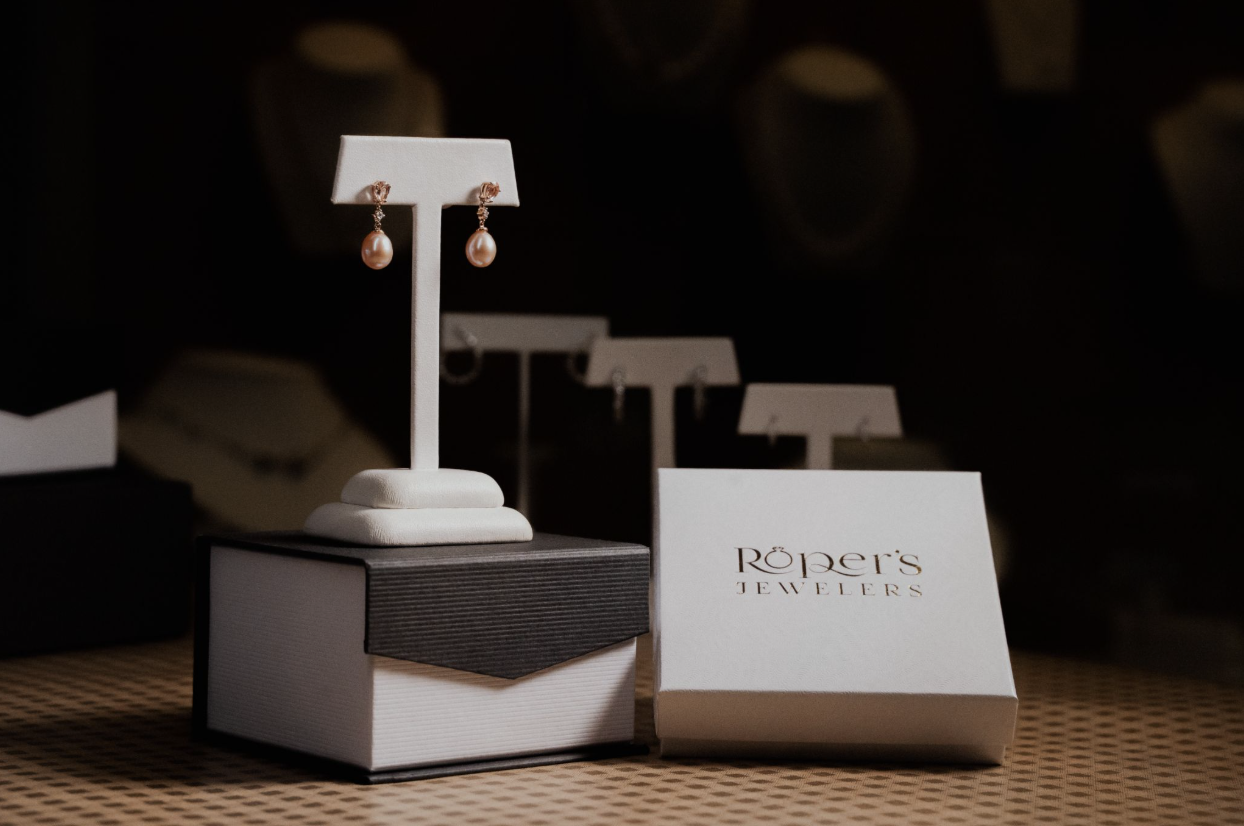
The best jewelry for your lifestyle combines comfortable proportions, suitable metals, durable gemstones, and settings that work with your daily activities… but before choosing a piece, consider what your hands do all day, where you wear jewelry, and how much maintenance you want.
It doesn’t matter if your week involves office meetings, parenting, travel, exploring Auburn’s trails, or all of the above, this jewelry buying guide will help you choose pieces you’ll enjoy wearing regularly.
It’s Best to Start With Your Actual Routine
Consider an ordinary Tuesday. Do you wear gloves at work? Lift children? Garden after dinner? Type for hours? A ring that looks beautiful in a display case may become frustrating if it catches on clothing or presses against neighboring fingers.
Before buying, ask yourself:
- Will this piece interfere with work or hobbies?
- Does my workplace restrict rings, necklaces, or earrings?
- Can I comfortably fasten and remove it?
- Am I willing to schedule inspections and occasional maintenance?
It’s important to try jewelry while making everyday movements. Bend your fingers, move your wrist, and check whether earrings feel too heavy because comfort deserves as much attention as sparkle.
Which Metals Make Sense for Everyday Wear?
Durable jewelry depends on both the metal and the piece’s construction. A durable band and well-made clasp matter alongside metal purity.
Solid gold: Gold alloys, including 14-karat gold, are popular choices for frequently worn jewelry. Pure gold is comparatively soft, so alloying it with other metals improves its hardness. Ask about the specific alloy and band thickness rather than assuming a higher karat automatically means greater durability.
Platinum: Naturally white platinum avoids the rhodium replating that is often associated with white gold. It still develops surface marks, so choose it with realistic expectations about wear.
Sterling silver: Silver, on the other hand, offers an accessible way to build a collection, but you should expect tarnish and periodic cleaning. For a ring facing frequent bumps and potential scratches, discuss whether gold or platinum better suits your routine.
If you have metal sensitivities, ask about alloy ingredients, especially nickel that can be found in some white gold.
Choose Gemstones Based on How You’ll Wear Them
Diamonds resist scratching exceptionally well which makes them appealing for everyday diamond jewelry. However, scratch resistance does not necessarily mean a stone cannot chip. The setting design and careful wear are still important.
Ruby and sapphire also offer strong scratch resistance and excellent toughness, making them useful options for frequently worn rings. Opals require gentler treatment however, so, consider earrings or pendants if your hands encounter regular knocks and bumps. It’s also worth asking whether gemstone treatments affect cleaning or care.
A practical approach is to choose your favorite color, then ask which gemstones and jewelry types can deliver that look within your routine. Check out the Gemological Institute of America to learn more.
Match the Setting to Work and Parenting
For people who wear gloves, handle fabrics, or care for young children, smooth profiles can be much more convenient than tall settings and exposed points.
A bezel setting surrounds a gemstone’s edge with metal, helping protect vulnerable edges and reduce snagging. At Ropers our Bezel Set Natural Diamond Engagement Ring provides an example to discuss when comparing setting styles. Check its actual height and comfort in person.
Stud earrings can also be easier to manage than long drops. Explore our Bezel Set Garnet Studs for a compact color option. Check the backing security and opt to get them threaded if you wear them while active and are worried about losing them.
Plan Around Sports, Hobbies, and Travel
For gardening, pottery, weightlifting, swimming, and hands-on projects, plan to remove jewelry beforehand. Even the sturdiest of pieces can suffer from pressure, impacts, abrasive materials, or chemicals. Follow workplace and activity rules, especially around equipment.
It’s also a good idea to keep a designated jewelry case where you change, so removal becomes a habit because durable definitely does not mean suitable for every activity.
When traveling, try packing a small collection that works with multiple outfits. A piece such as Roper’s Bezel Set Diamond Cross Necklace illustrates a pendant style to consider if it suits your taste. Before departure, have clasps and settings checked and review insurance coverage for valuable pieces.
Consider Custom Jewelry for a Perfect Fit
If you’re searching for custom jewelry that Auburn shoppers can tailor to their routines, you should begin with a conversation about wearability with your jeweler. Discuss setting height, band width, stone protection, and maintenance alongside appearance.
Our custom jewelry design service can also help you explore incorporating an existing gemstone into a new design.
Frequently Asked Questions
What jewelry is best for everyday wear?
Comfortable pieces with secure closures, suitable gemstones, and well-constructed settings are excellent starting points, and make sure to choose each piece for the activities it will encounter.
Can I wear diamond jewelry while exercising?
It’s best to remove it before weightlifting, contact sports, or any activities involving impacts or equipment. Diamonds resist scratches, but stones and settings can still be damaged.
When you’re ready to find jewelry that fits your life, explore Roper’s jewelry collection or visit either of our Auburn jewelry store locations where you can compare comfort, craftsmanship, and style in person.
You can contact our team at our Downtown Auburn store at (530) 885-4852 or at our North Auburn location at (530) 885-8020.